Materials and waste
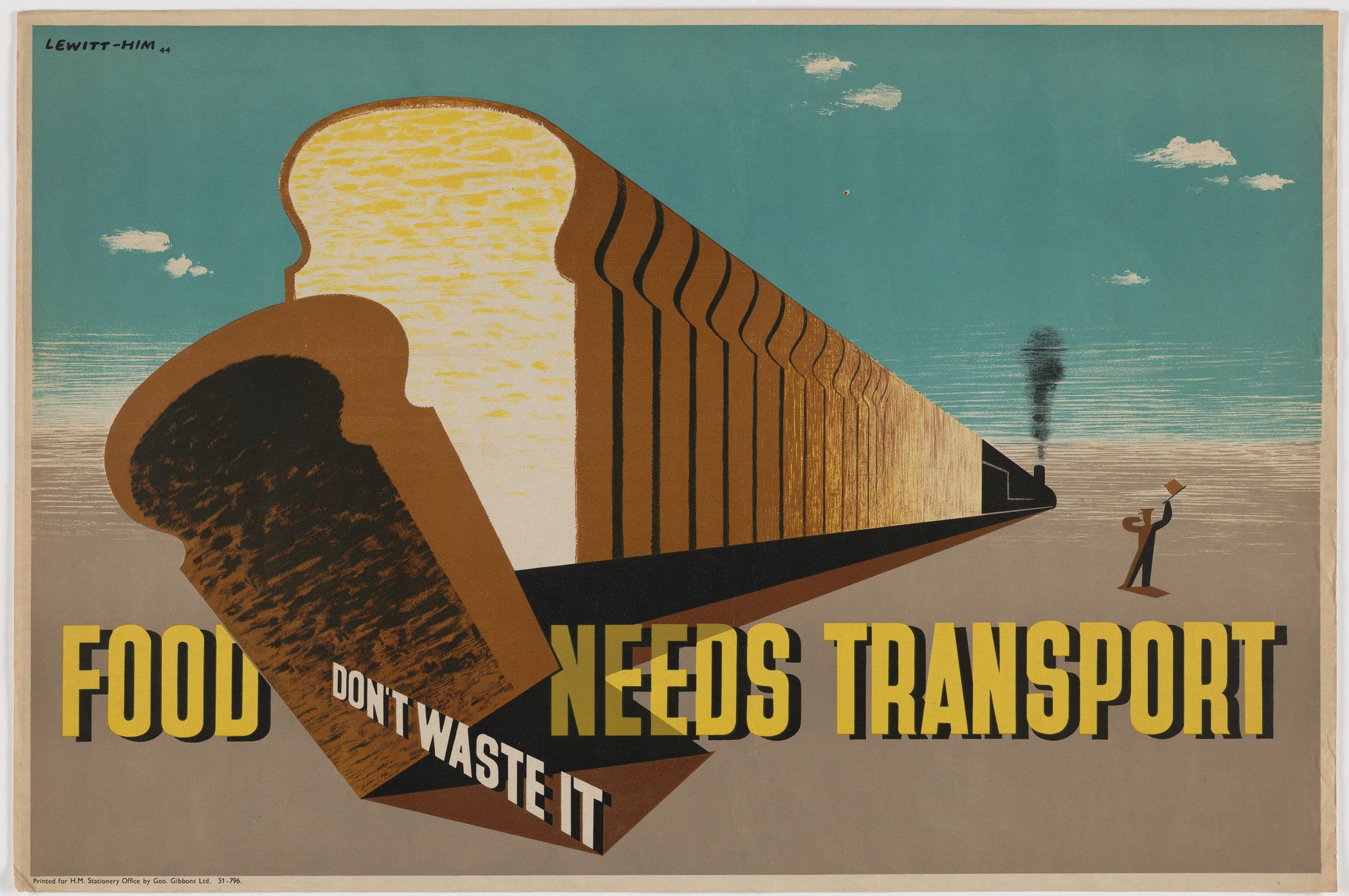
Every object has a life beyond its first use. At MoMA, that belief shapes how we think, from the walls of our galleries to the cups in our cafés. Improving diversion rates, refining how waste is tracked and measured, and reducing contamination across waste streams are ongoing priorities. The data gets sharper, the systems get smarter, and the targets get higher. The Museum’s commitment is not a moment, it’s a process.
Setting the bar higher
In 2021, MoMA committed to cutting landfill waste in half by 2025. Through targeted recycling programs, waste-reduction initiatives, and a focus on reuse, the Museum made rapid progress. By 2022, combined trash and organics had dropped 66% from the 2018 baseline, while recyclable materials decreased by 73%. We had already met our 2025 goal. Rather than pause, the Museum set new, more ambitious targets. Meaningful change is a continuous practice.
Building exhibitions differently
Transformation doesn’t happen solely within the galleries; it takes place behind the gallery walls as well. MoMA’s Exhibition Design and Planning team has made meaningful adjustments to how they design and build exhibitions. The results are significant. In 2018, exhibition construction and demolition generated 305 tons of waste. By 2022, that figure had fallen to 79 tons, a 74% reduction. Of that remaining material, 76% was diverted from landfills via recycling. The approach is elegant in its logic: Standardized “evergreen” wall systems are reused across exhibitions. Standardizing the frames, vitrines, and hardware extends the materials’ use, and every build is treated as an opportunity to close the loop. The team continues to innovate, striving toward zero-waste exhibitions, proving that world-class exhibition design and environmental responsibility are inseparable.